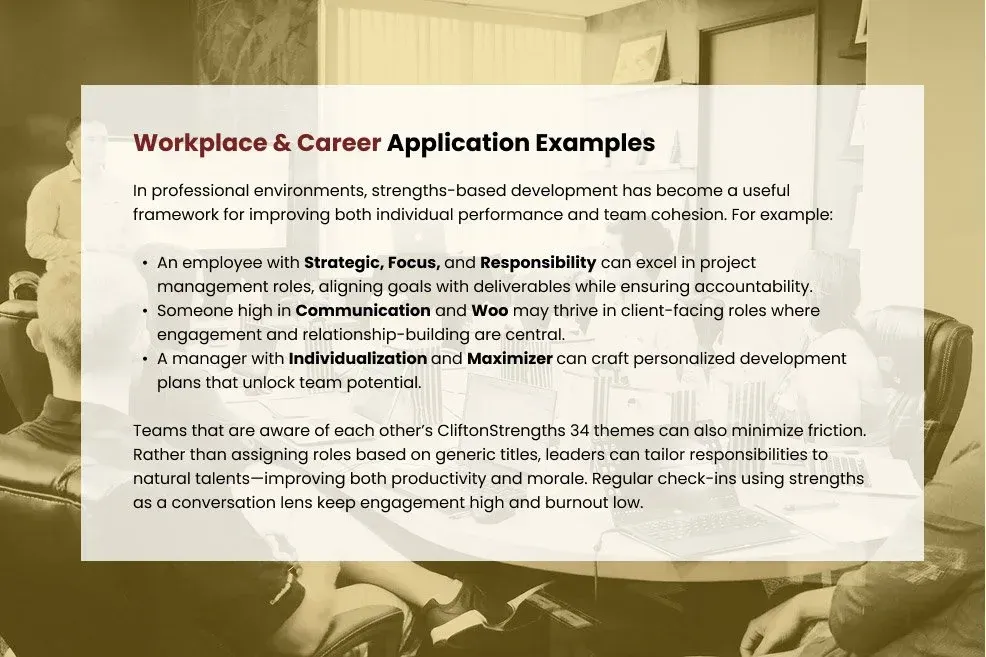
THE 34 CLIFTONSTRENGTHS THEME: THE FOUR STRENGTHS DOMAINS
The concept of the 34 CliftonStrengths themes comes from decades of research into human talent and behavior led by Don Clifton, often called the father of strengths-based psychology. Gallup developed the assessment to help people discover and develop what they naturally do best. Rather than focusing on correcting weaknesses, Clifton’s approach encourages individuals and teams to build on their innate strengths to achieve greater performance and satisfaction.
Initially known as the Clifton StrengthsFinder, this tool has evolved into what's now widely referred to as CliftonStrengths 34, representing a full profile of a person’s talent themes.
Each theme highlights a specific way of thinking, feeling, or behaving that can be productively applied. Over time, the tool has been embraced in professional development, education, and organizational culture worldwide.

Executing Domain
Achiever
People strong in the Achiever theme have an internal drive to get things done every day. They often measure their days in terms of productivity and feel a deep sense of satisfaction from crossing items off their to-do list. Even after reaching significant goals, Achievers are driven to start something new, making them reliable contributors in high-output environments.

Arranger
Arrangers are natural coordinators. They thrive in dynamic settings where they can manage multiple variables and bring order to complexity. Their strength lies in being flexible with change and optimizing workflows by reconfiguring resources for better efficiency. They often excel in project management and team leadership roles where logistics are key.

Belief
Those with the Belief theme are guided by a core set of values that shape their actions and decisions. These individuals often prioritize purpose over profit and feel motivated by causes that align with their principles. They bring clarity, conviction, and stability to teams, especially when others may feel uncertain or disconnected.

Consistency
Consistency-minded individuals value fairness and equity. They seek balance in rules and treatment, believing that people should be treated uniformly. Their predictable and impartial approach makes them dependable in roles that require policy enforcement, quality assurance, or impartial decision-making.

Deliberative
Deliberative individuals are careful and vigilant decision-makers. They evaluate risks, consider potential obstacles, and prefer a thoughtful, cautious approach. Their talent is especially useful when navigating uncertainty, as they bring foresight and a protective mindset that reduces potential errors or conflicts.

Discipline
Those with Discipline thrive on structure, order, and routine. They bring clarity to chaos by organizing their environment and processes. While others might get bogged down in the details, people high in Discipline create step-by-step plans to keep teams on track, especially in high-pressure or deadline-driven settings.

Focus
Focus is about setting a direction and sticking to it. These individuals are highly goal-oriented and resist distractions. They keep teams aligned with overarching objectives and often act as anchors when priorities shift. Their ability to maintain direction is crucial during long-term projects or when working toward strategic goals.

Responsibility
People high in Responsibility take ownership of what they commit to. They have strong moral compasses and are dependable, often becoming the ones others trust with important tasks. Their loyalty to their commitments means they follow through—even when it's inconvenient—which earns them credibility and trust

Restorative
Restorative individuals enjoy solving problems. They are energized by challenges and are skilled at identifying what's broken and figuring out how to fix it. Their talent lies in being able to breathe new life into failing processes, systems, or relationships, making them valuable in troubleshooting or turnaround roles.

Influencing Domain
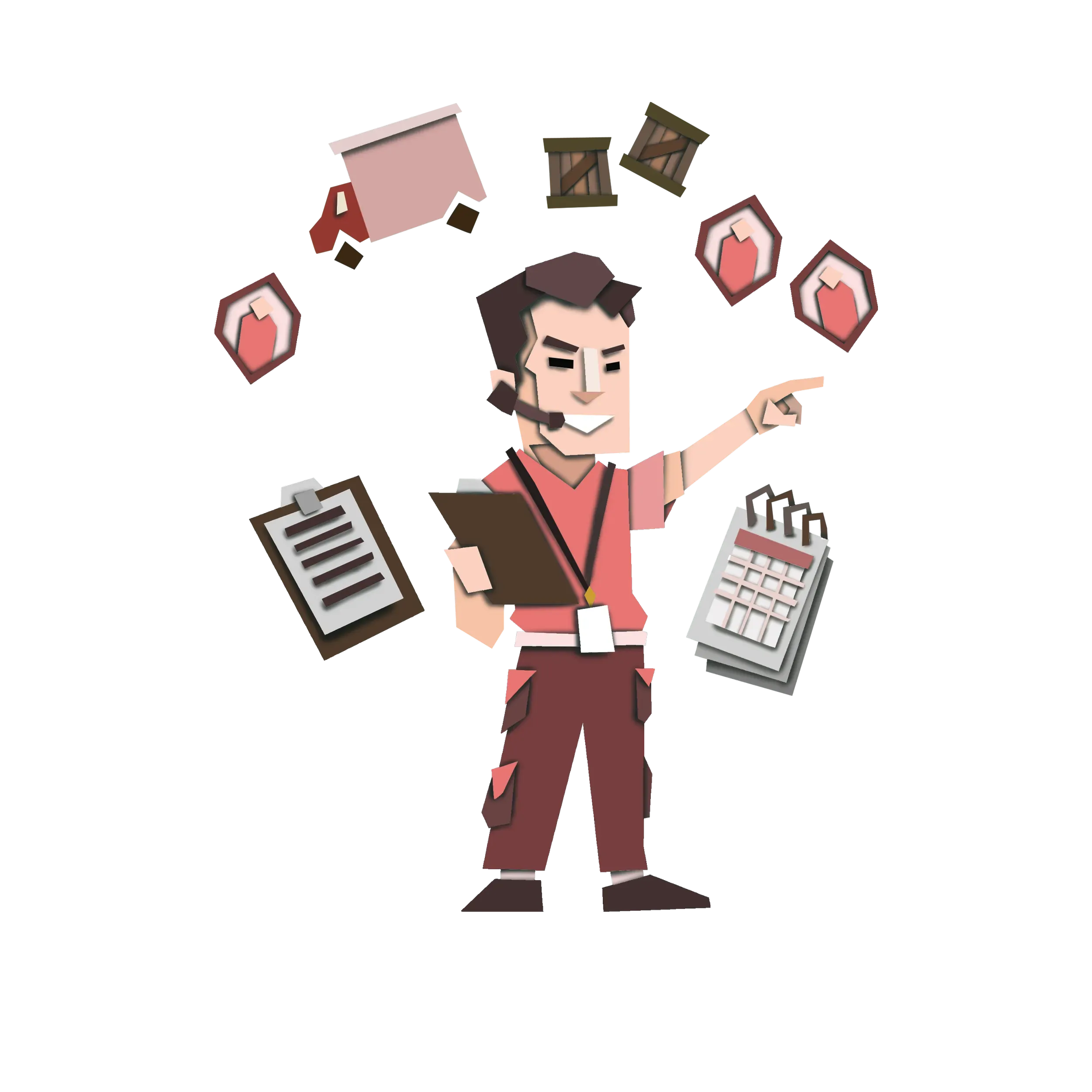
Activator
Activators are known for turning ideas into action. They are often impatient for progress and get restless with too much planning or discussion. Their energy motivates teams to take the first step, and their ability to inspire movement makes them valuable at the start of projects or during strategic pivots.

Command
People with the Command theme bring presence and decisiveness. They naturally take charge and are not afraid to voice opinions, even in uncomfortable situations. Their direct communication style helps cut through ambiguity, often pushing teams toward clarity and resolution during conflict or indecision.

Communication
Those strong in Communication are natural storytellers and explainers. They know how to capture attention and share ideas in ways that are engaging and easy to understand. Whether through writing, speaking, or presenting, they help groups stay connected and aligned with key messages or goals.

Competition
People with this theme are driven by comparison and achievement. They set performance benchmarks based on others and are motivated by winning. Their presence can raise the performance bar for everyone around them, particularly in roles that benefit from high performance metrics and clear rankings.

Maximizer
Maximizers focus on refining strengths rather than fixing weaknesses. They see potential where others may not and are constantly looking for ways to turn strong into exceptional. Whether working with people or processes, they aim for excellence and are particularly skilled in development and improvement roles.

Self-Assurance
Those with Self-Assurance have inner confidence and trust their own judgments. They are independent and often make decisions with minimal validation. Their self-belief can be reassuring to others, especially in uncertain times, and they often act as steadying influences in leadership or advisory roles.

Significance
Significance drives individuals to make an impact and be recognized. They are motivated by visible accomplishments and often strive for excellence because they want their work to matter. This desire fuels their performance and encourages others to raise their standards in shared efforts.

Woo (Winning Others Over)
Woo describes people who enjoy meeting new people and easily build rapport. They are energized by the challenge of turning strangers into acquaintances. Their social fluency helps build networks quickly, which is especially useful in roles involving outreach, recruitment, or public relations.

Relationship Building Domain

Adaptability
People with Adaptability live in the present and adjust easily to change. They are flexible and calm in shifting environments and help others stay grounded when plans go off-course. They shine in roles that require responsiveness, customer service, or fluid scheduling.
Connectedness
Those strong in Connectedness believe everything happens for a reason and that all things are linked. They are often viewed as spiritual or philosophical and bring a sense of purpose and unity to their work. Their perspective helps teams understand the broader context of their actions.

Developer
Developers recognize and nurture the potential in others. They are patient coaches who enjoy helping people grow. They find genuine satisfaction in small steps of improvement and are often found in mentoring, teaching, or leadership development roles.

Empathy
Empathy allows individuals to sense the emotions of others. They intuitively understand what others are feeling, even without words. This makes them powerful allies in emotionally complex environments and trusted confidants in both personal and professional relationships.
Harmony
Those high in Harmony seek agreement and cooperation. They avoid conflict and work to find consensus, smoothing over differences. While they may avoid debate, they are often the glue that keeps teams cohesive and functioning smoothly under pressure.

Includer
Includers actively expand the circle. They notice those who feel left out and make efforts to bring them in. Their instinct to involve others fosters inclusivity and builds strong, unified communities or teams.

Individualization
People with this theme are tuned in to the unique qualities of each person. They tailor interactions and assignments to fit individual strengths and preferences. This makes them effective leaders and managers, especially in diverse or talent-driven settings.

Positivity
Positivity brings energy, enthusiasm, and optimism. These individuals lift the mood of the room and help others see the bright side. Their outlook is contagious and contributes to workplace morale, making them key players in maintaining a healthy culture.

Relator
Relators enjoy forming deep, trusting relationships. They prefer meaningful connections over surface-level interactions and are loyal team members or friends. They’re most energized when working closely with people they know and trust.


Strategic Thinking Domain
Analytical
Analytical thinkers look for patterns and reasons behind outcomes. They need evidence before drawing conclusions and ask hard questions that reveal truth. Their strength lies in logic and objective thinking, making them dependable when data-based decisions are required.

Context

Those with Context value the past. They look back to understand how things came to be, using historical knowledge to inform current choices. Their insights often prevent teams from repeating mistakes and add depth to discussions about strategy or policy.
Futuristic

Futuristic individuals are inspired by visions of what could be. They imagine detailed possibilities and inspire others with their forward-thinking ideas. They are valuable in planning, innovation, and vision-setting roles.
Ideation
People strong in Ideation are fascinated by ideas. They enjoy brainstorming and find connections between seemingly unrelated phenomena. They bring creative energy to teams and are often the source of unconventional solutions.

Input
Input talents are collectors of information. These individuals are curious and love to gather knowledge, tools, or even experiences. They are reliable go-to people for resources and ideas across various topics.

Intellection
Those with Intellection enjoy deep thinking. They often need time alone to process and reflect. Their ability to consider complex issues and their thoughtfulness make them strong strategists or advisors.

Learner
Learners love the process of learning itself. Whether it’s a new skill, subject, or tool, they’re constantly growing. This theme supports roles where adaptation and development are ongoing requirements.

Strategic
Strategic thinkers see patterns and paths where others see complexity. They quickly evaluate possible routes and determine the best one. This talent is especially helpful in navigating uncertain situations or making quick, effective decisions.